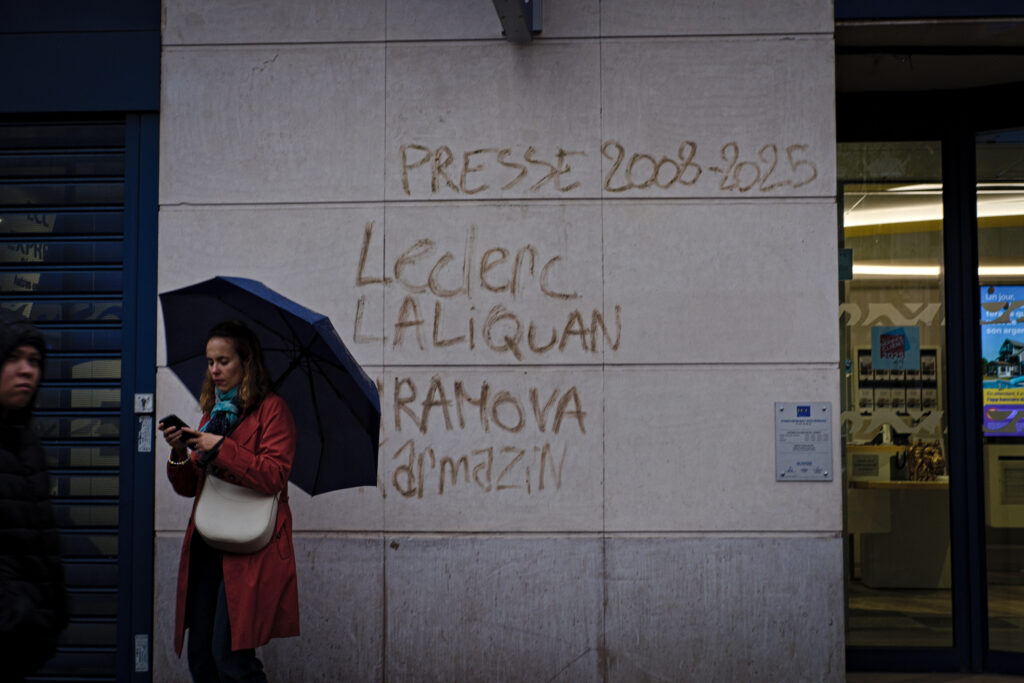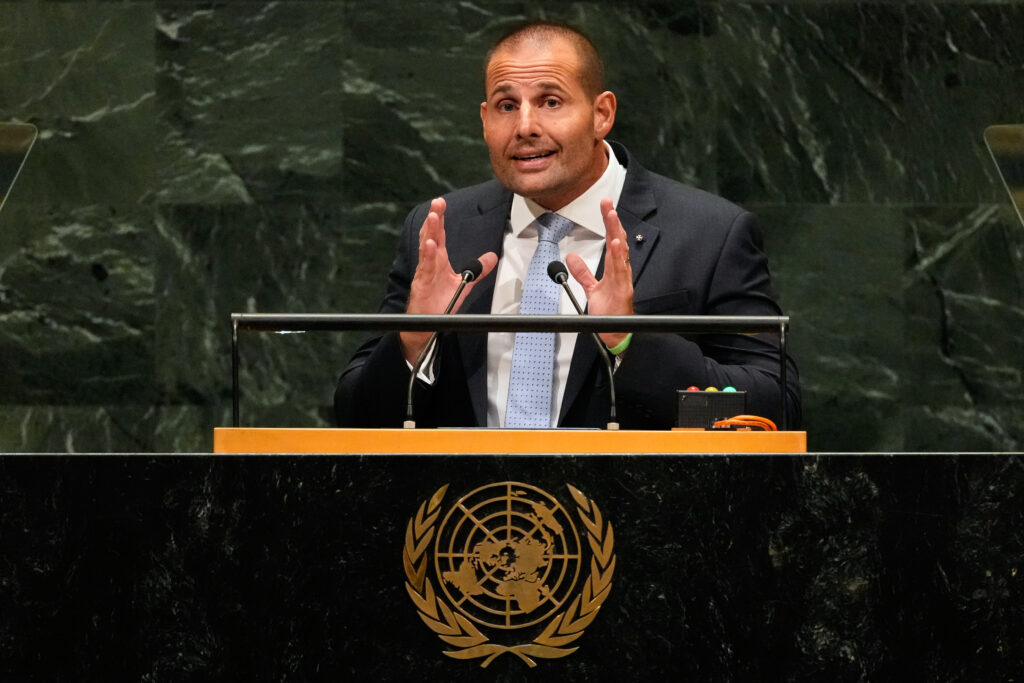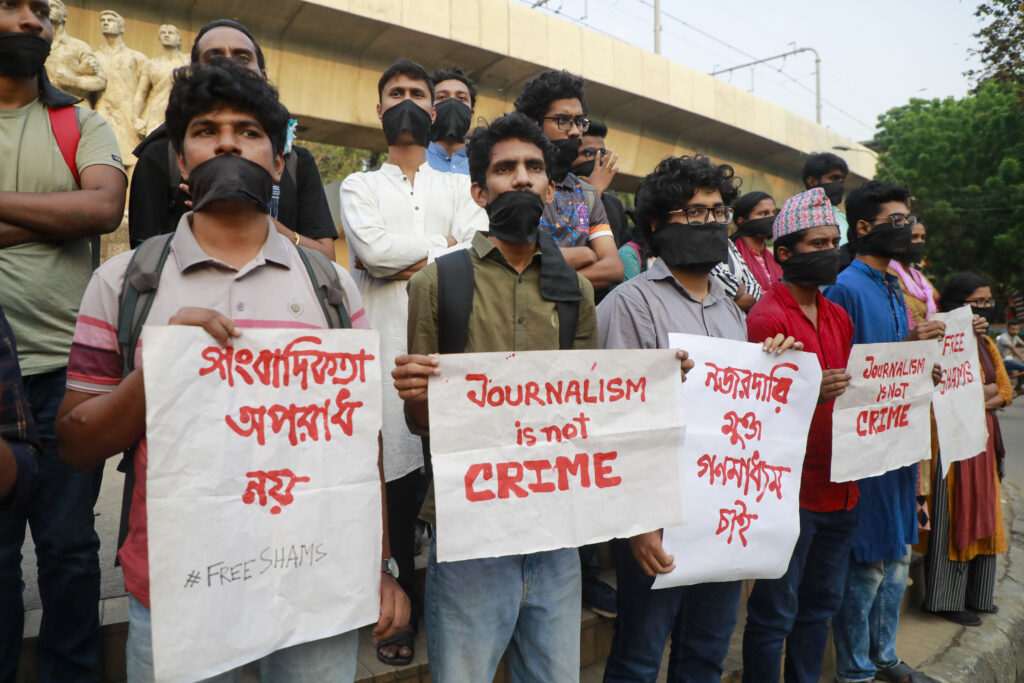



On the sixth anniversary of the murder of Maltese investigative journalist Daphne Caruana Galizia, we, the undersigned organizations, renew our calls for Maltese authorities to bring to justice all those responsible for her killing and to implement in full the recommendations of the public inquiry into her assassination.
Caruana Galizia, who rose to prominence through her anti-corruption investigations and blogs, was killed by a car bomb in Malta on October 16, 2017. Three men have been convicted for the journalist’s murder and three other suspects await trial.
After pressure from the Caruana Galizia family and civil society, a public inquiry was set up in 2019 to investigate the circumstances that led to her death.
In its 2021 report, the public inquiry found the state had to “shoulder responsibility” for Caruana Galizia’s murder because it had created an “atmosphere of impunity” and failed to take reasonable steps to protect her. It found that the journalist’s assassination was predictable and preventable due to the collapse of the rule of law in Malta and made detailed recommendations for the authorities, including to create a safer environment for journalists.
For the last two years, our organizations have repeatedly drawn attention to the lack of progress in implementing the public inquiry’s recommendations to safeguard the media and improve journalists’ safety.
The Daphne Caruana Galizia Foundation has also repeatedly denounced the failure of Maltese authorities to address the corruption and abuse of power exposed by Caruana Galizia and other investigative journalists, which still contribute to an environment of insecurity that puts reporters at risk.
Yet again, we call for the strengthening of three proposed laws aimed at improving media safety so as to meet international standards on the protection of journalists, including the government’s watered-down anti-SLAPP legislation.
Maltese authorities should mark the sixth anniversary of Caruana Galizia’s death by making unequivocal statements in support of full justice for her murder, committing to implement the public inquiry’s recommendations, and guaranteeing a transparent consultation on pending legislation with the involvement of international media experts and civil society.
Signed:
ARTICLE 19 Europe
Association of European Journalists
Committee to Protect Journalists
European Centre for Press and Media Freedom (ECPMF)
European Federation of Journalists
IFEX
Index on Censorship
International Federation of Journalists
International Press Institute
OBC Transeuropa (OBCT)
PEN International
Reporters Without Borders (RSF)
Transparency International EU