



The Media Freedom Rapid Response is concerned by the recent developments in Republika Srpska, one of the two entities of Bosnia and Herzegovina, where the government has introduced amendments to the Criminal Code that would re-criminalise defamation. In the discussions around the proposal, entity President Milorad Dodik accused journalists of lying, using strong derogatory language. Ahead of the session on 21 March, the undersigned partners urge members of the Republika Srpska National Assembly to reject the amendments.
On 31 October 2022, President Dodik published a thread on Twitter calling for the Minister of Justice to prepare new, and amend existing laws, with the goal to re-introduce defamation and insults as “criminal offences” in the Criminal Code of the Republika Srpska. This news was followed on 2 March 2023 by the National Assembly’ announcements that Republika Srpska had introduced draft amendments to the Criminal Code to re-criminalise defamation.
If approved by the National Assembly, the draft law would give way to arbitrary interpretation of what constitutes an insult or a degrading comment, and would allow for unjustified prosecution of journalists, members of civil society or organisations reporting on corruption and other public interest matters, and anyone writing publicly on social media. Republika Srpska had decriminalised defamation in 1999 in line with developing international standards and practices. Making defamation a crime again would be a direct hindrance to the principles of freedom of the press, and a conviction would lead to fines of between 3,000 and more than 50,000 euros.
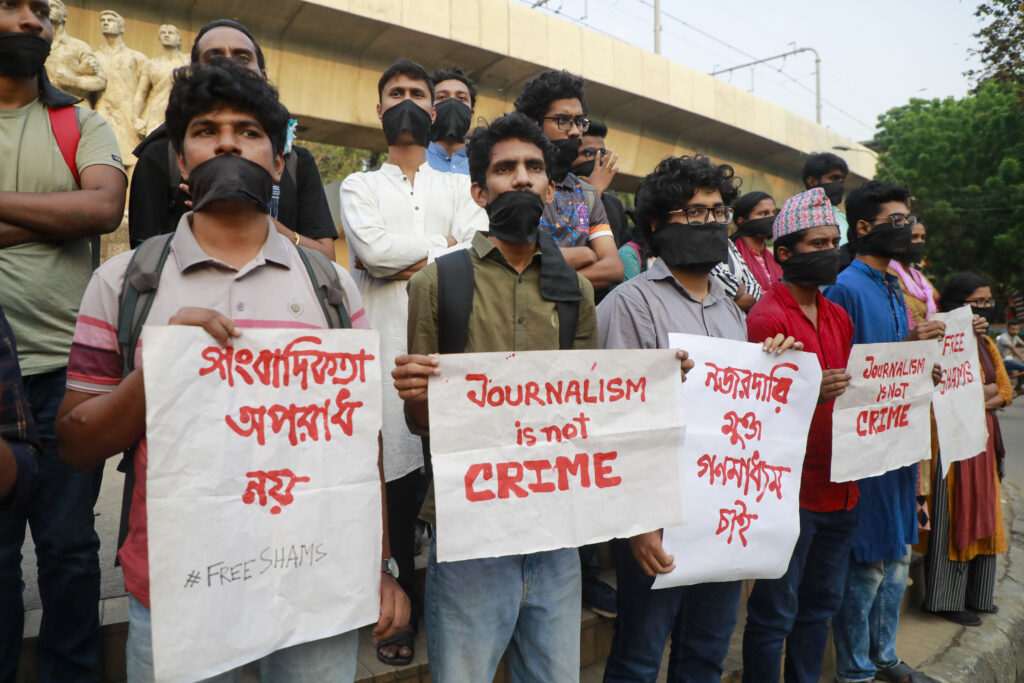
The bill was strongly criticised by media workers and journalists’ organisations. On 14 March, journalists gathered in front of the National Assembly of Republika Srpska to protest the bill on criminal defamation, and appeal to the people’s deputies to dismiss the proposed amendments. The Parliament has postponed the discussion to debate the amendments to 21 March.
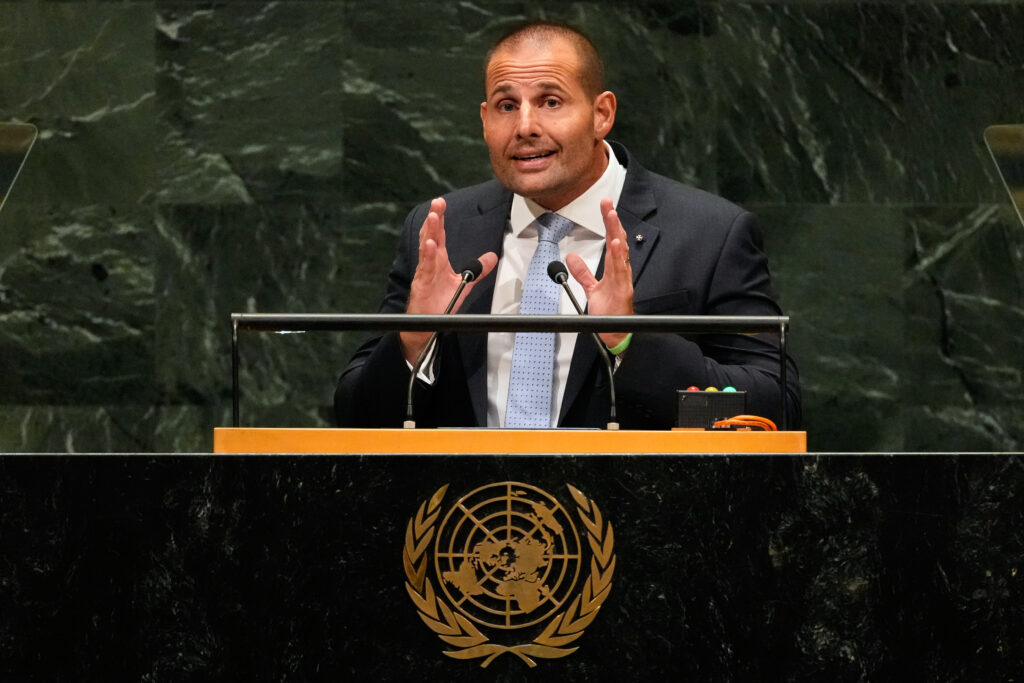
The discussions around the re-introduction of criminal defamation sparked unacceptable comments directed at journalists and media organisations during press conferences, often televised. Dodik on several occasions accused journalists of lying, while using strong derogatory language. This comes at a time when journalists in this entity are coming under increasing attacks and pressure: the recent interrogation of Nikola Morača, who works for the newspaper EuroBlic and the portal SrpskaInfo, and several editors and journalists, pressured by the police to reveal their sources; and the vandalism of the cars belonging to Morača and editor of Buka news portal Aleksandar Trifunović, are further concerning examples. Even before the beginning of the investigation Dodik accused the journalists of orchestrating the attack themselves.
Another worrying announcement by President Dodik is the introduction of the so-called “foreign agent law” on the activities of non-governmental organisations and associations – a copycat move from Georgia, whose bill was eventually withdrawn after being heavily criticised for its incompatibility with the laws protecting freedom of expression and freedom of association.
Our organisations strongly disagree with the proposed amendments and criminalisation of defamation and denounce any attempt to undermine, denigrate or hinder journalistic work. We will continue to closely monitor the situation in Republika Srpska in particular, and will respond to all threats to media freedom in Bosnia and Herzegovina. This includes the documentation of cases on the Mapping Media Freedom and the Council of Europe’s Safety of Journalists platforms.