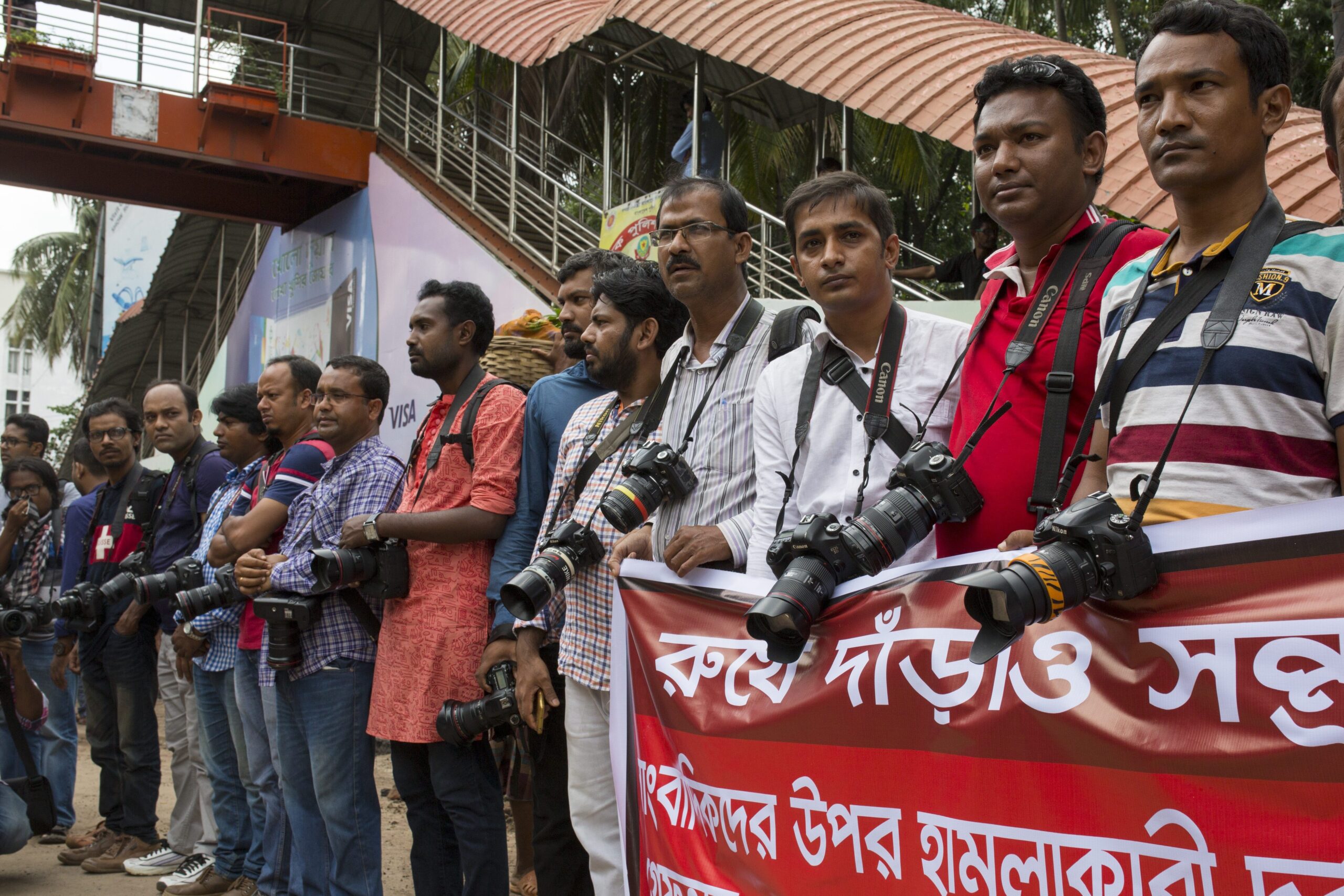
The legal architecture keeps changing its name without changing its character, and this is the part that concerns me most as a long-term structural matter. So when I look at the present government specifically, it is about continuity. Independent journalism in Bangladesh has now survived an autocrat, a mass uprising and an interim government, and people hoped the machinery of repression would be dismantled. Instead, digital surveillance, physical violence, legal persecution, political vendettas, mob intimidation and extremist pressure keep converging into a climate of fear and self-censorship, a structural vulnerability that has outlasted every regime that built a piece of it. The real test for this government, and for whichever government comes after it, is whether that machinery gets taken apart for good, or simply changes hands again. As the IFJ put it in a joint statement with the Federation of Asia-Pacific Journalists and the South Asia Journalists Federation, there can be no resurrection of democracy in this country while journalists remain under threat.
You are very open in talking about struggling with depression. What part does having been forced into exile and separated from your family back in Bangladesh play in that regard?
Yes, I am open about this, because I think it can help anyone living with fear and frustration. Exile did not only take my home from me. It took my daughter and my wife, and that absence sits underneath everything else I deal with here, every single day.
The practical symptoms are real and specific. I have struggled with sleep, and there are days I simply cannot write at all, which is strange and painful to admit for someone who has spent more than thirty years writing. I have experienced memory breaks that unsettle me, and panic attacks that arrive with very little warning, often at the quietest moments.
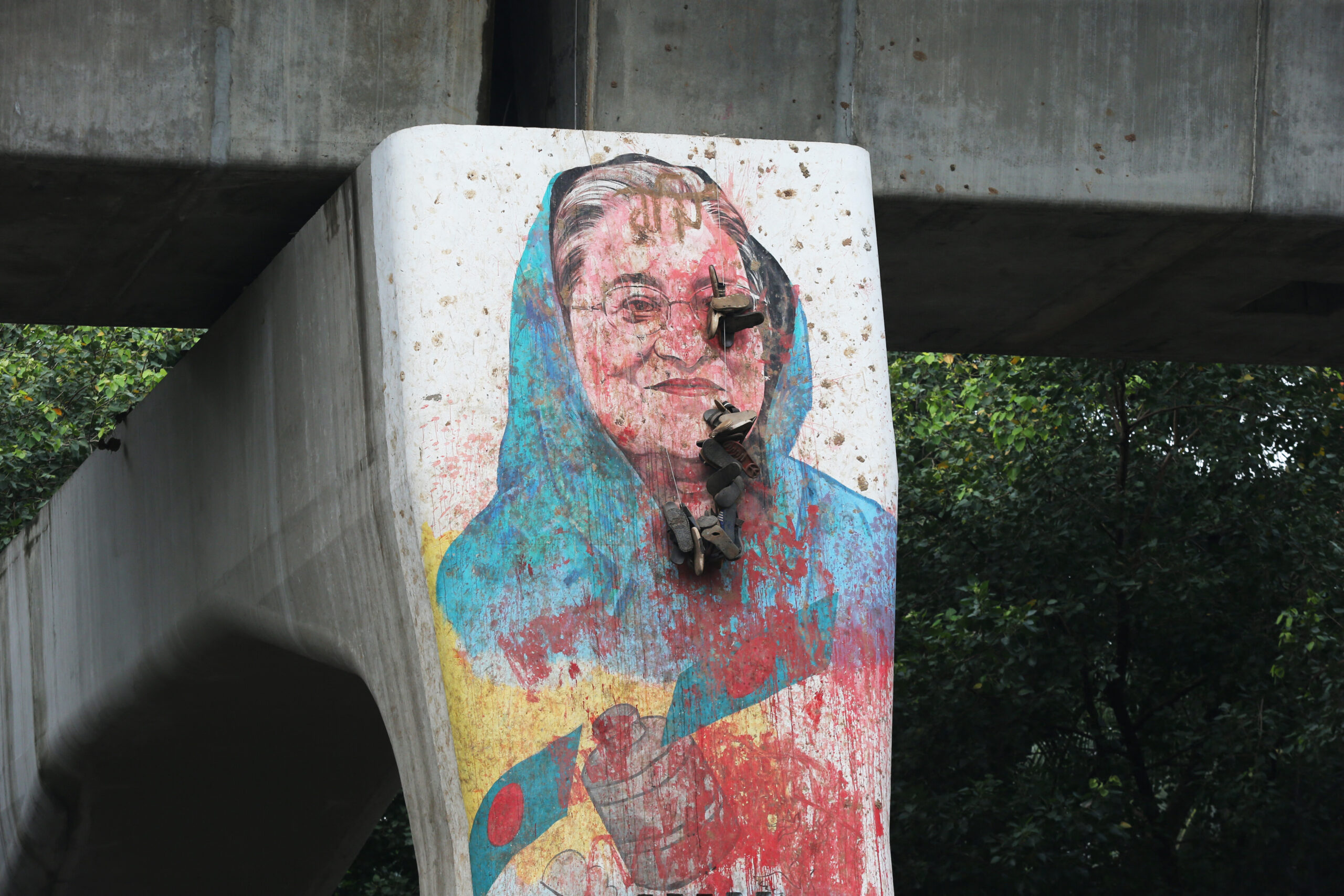
There was a brief period, in August 2024, when I let myself hope, when Sheikh Hasina’s government fell and part of me thought I might finally go home. That hope did not survive long, and having it taken back was its own kind of loss.
What remains hardest, even now, is the isolation. Therapy has given me real tools, but no session fully answers the simple fact of not being able to hold my daughter or my wife when I need to. I have decided that carrying this honestly, in public, is better than hiding it. Our profession has a culture of endurance, you are supposed to absorb what you witness and keep filing. That culture has a cost, and I think it is time people in this field said so plainly.