ECPMF stockt mit Hilfe der sächsischen Landesregierung Journalists-in-Residence-Programm um 100.000 Euro auf



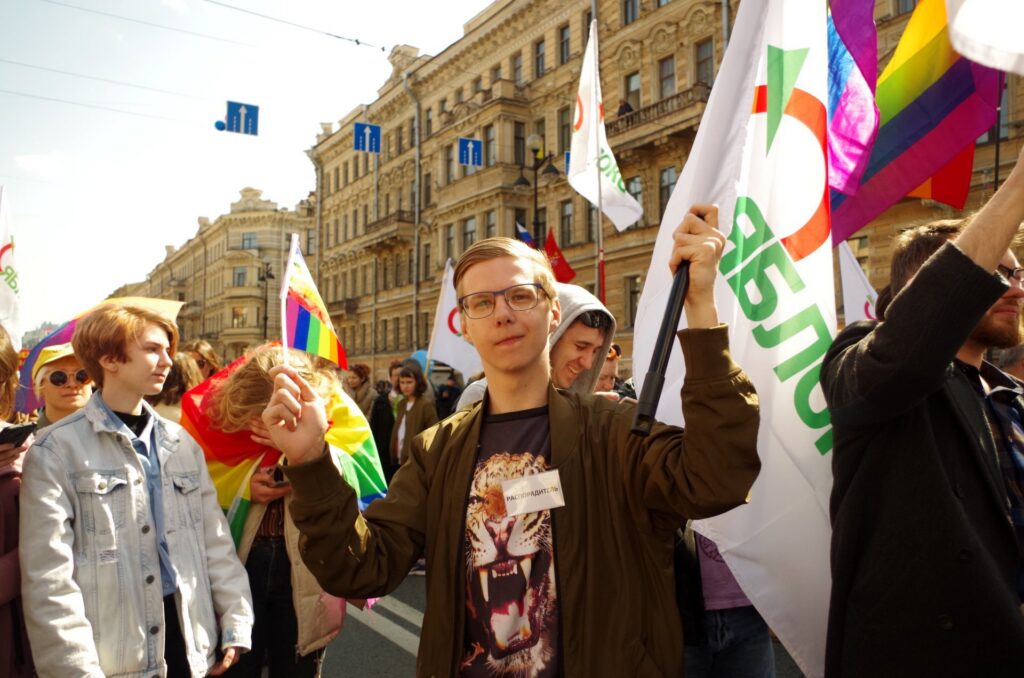
Solidarität aus Sachsen: Schutz für Journalistinnen und Journalisten aus der Ukraine, Belarus und Russland
Leipzig (14. März 2022) — Die sächsische Landesregierung stellt kurzfristig 100.000 Euro zur Verfügung, um das Journalists-in-Residence-Programm des Europäischen Zentrums für Presse- und Medienfreiheit (ECPMF) in Leipzig aufzustocken. Die Finanzierung durch die Landesregierung sichert dabei fünf von insgesamt zehn geplanten zusätzlichen Stipendien.
Das Programm ermöglicht es bedrohten Medienschaffenden in einer sicheren Umgebung in Sachsen zu leben und zu arbeiten. Die Stipendien sind mit 1000 Euro pro Monat, einer freien Unterkunft sowie Möglichkeiten zur Fortbildung dotiert. Sie werden an Journalist*innen und sowie Medienfreiheitsaktivist*innen aus der Ukraine, Belarus und Russland vergeben.
“Der Krieg gegen die Ukraine ist auch ein Informationskrieg und die Medienfreiheit nimmt dabei immer größeren Schaden”, sagt Sachsens Medienminister und Chef der Staatskanzlei Oliver Schenk. “Beim Angriffskrieg auf die Ukraine verfolgen Putins Truppen offenkundig gezielt Journalistinnen und Journalisten sowie Medienfreiheitsaktivisten. Parallel nehmen Falschinformationen in einem bislang ungeahnten Ausmaß zu. Auch hiergegen wollen wir ein ganz konkretes Zeichen setzen: Sachsen bietet Schutz und Solidarität.”
“Das ECPMF hat langjährige Erfahrung in der Unterbringung von verfolgten und bedrohten Medienschaffenden, das Journalists-in-Residence Programm läuft seit 2016. Wir sind froh, es jetzt erweitern zu können, jeden Tag kommen verzweifelte Anfragen nach Schutz”, sagt Lutz Kinkel, Geschäftsführer des ECPMF.
Die Unterbringung im Journalists-in-Residence Programm ist in der Regel auf ein halbes Jahr beschränkt. Vor der brutalen Unterdrückung der Opposition und der Medien in Russland und Belarus sowie dem Angriffskrieg auf die Ukraine kamen die meisten Bewerbungen für die Stipendien aus der Türkei. Das ECPMF betreut – ebenfalls mit Unterstützung des Freistaates Sachsen sowie weiterer Förderer wie der EU, dem National Endowment for Democracy und der Beauftragten der Bundesregierung für Kultur und Medien – bislang 12 Journalist*innen pro Jahr.
Das ECPMF verhandelt derzeit mit weiteren Mittelgebern über die Finanzierung von Stipendien für Journalist*innen und Medienfreiheitsaktivist*innen, speziell aus der Ukraine. Gemeinsam mit der Europäischen Journalistengewerkschaft EFJ konnte das Zentrum bereits ein Schutzprogramm im Kosovo mit insgesamt 20 Plätzen initiieren.
Related news


Copyright
The information provided on this website is copyright protected and belongs to the author. You are free to share and adapt the text, provided you give appropriate credit, provide a link to the license, indicate if changes were made, and do not use the text for commercial purposes. If you remix, transform, or build upon the text, you must distribute your contributions under the same license as the original. No additional restrictions may be applied. Please note that pictures are excluded from this agreement and may be subject to different copyright regulations.
The ECPMF is part of:



ECPMF is financed by various project funders


Menckestr. 27
04155 Leipzig / Germany
Tel: +49 (0) 172 367 499 0
Fax: +49 (0) 341 562 96 63
E-Mail: info@ecpmf.eu
www.ecpmf.eu