Credit: Formula TV
Behind a facade of democracy: A Georgian journalist investigating his own assault

ECPMF

14 September 2026

No Comments

Content note: This article deals with police brutality and war.


In 2024, Georgian TV journalist Guram Rogava was attacked during a live broadcast by a police officer – and had to investigate who the attacker was himself. His case illustrates very vividly the state of press freedom in the country. In an interview with ECPMF, he talked about what it is like to be a critical voice in Georgia.


By Leonie Hauck


“It was all live, everyone saw it”, Guram Rogava explains. “I truly believe it was planned because they [the government] wanted some example for others: Look, we are doing this to everyone who has critical questions to us. And please shut up, be silent. If not, you will get the same story.”


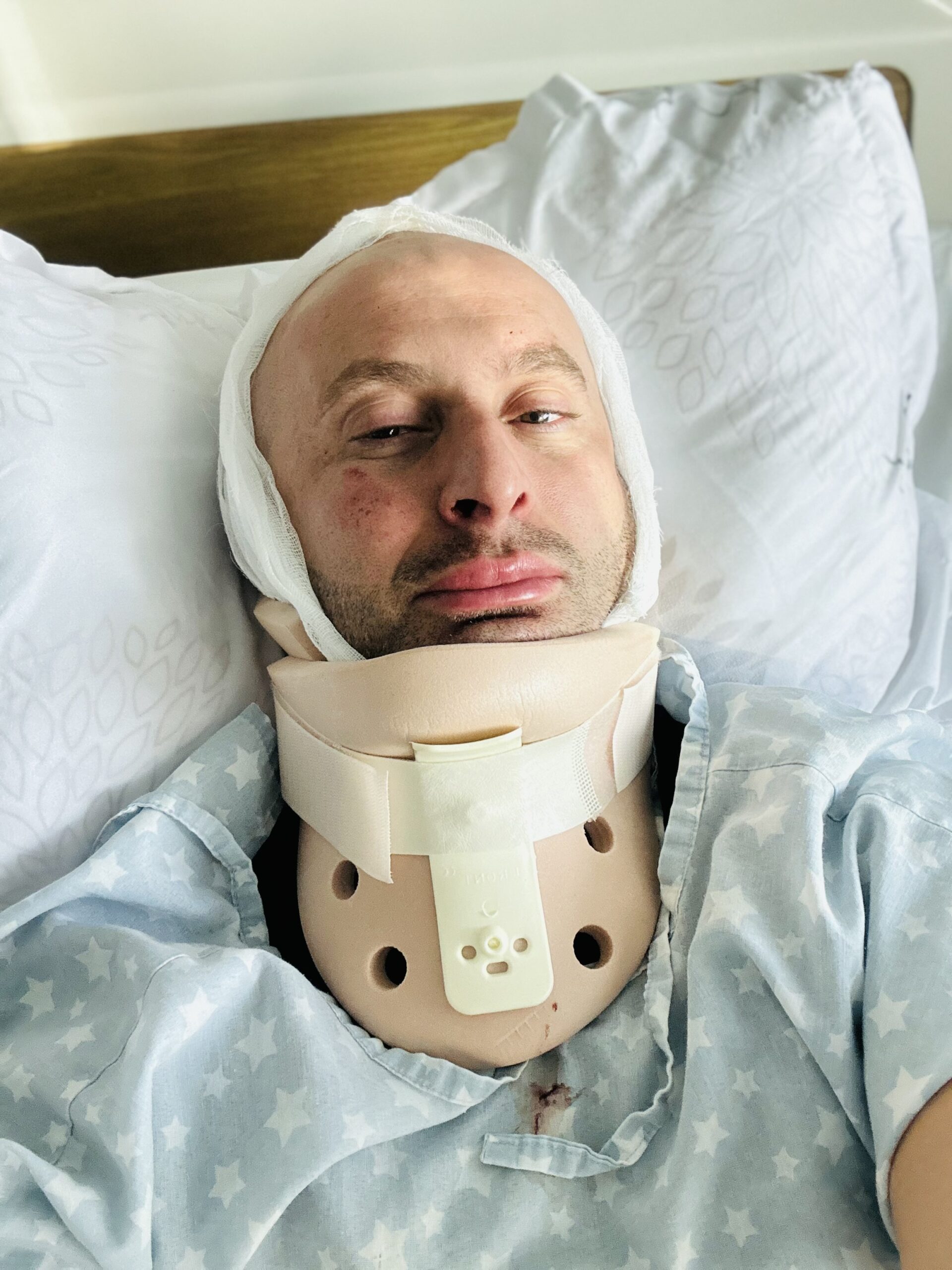
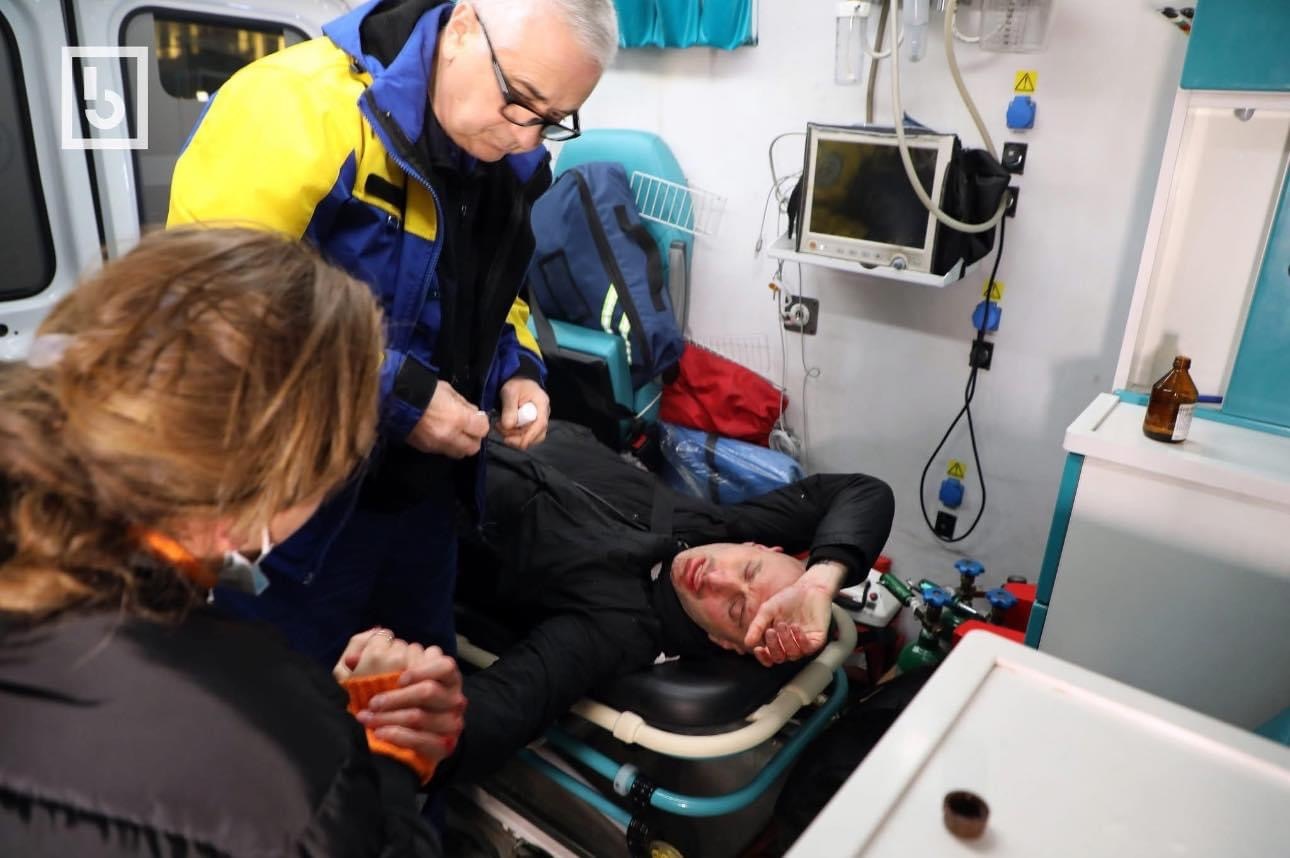
The Georgian TV journalist was attacked by a police officer in 2024 whilst reporting live from a street protest in Tbilisi. “He [the police officer] chose me as a target, because I was showcasing to my audience, to my viewers, how police officers reacted to street protests.”


Moments before the attack, a protester had been walking in the direction of the police, holding out his hands to show that he was unarmed. Then, Rogava says, he saw 10-15 officers beating that person really badly. “I was on air, of course I went there, I showed them, and I was saying: Look, look how police officers react to peaceful protest.” Parts of the footage are still available in a CNN report. It shows Rogava backing away and walking towards the sidewalk, when a police officer attacks him from the back. The journalist explains that the policemen had been wearing black masks, black clothes and no identification numbers. “They looked like hooligans, and they acted like criminals.”


Growing up at the border of war

Rogava grew up in this difficult environment for journalists. He describes himself as a rather impulsive person, who is taking dangerous decisions – sometimes without thinking about the consequences. “I live in a country where time is limited and we don´t have a lot of time for planning and thinking a lot about our steps.”


He knew quite early that he wanted to become a journalist. “When I was a kid, in one of the regions of Georgia, it’s called Abkhazia, war started. And my hometown, where I grew up, was at the border of this region.” When the war began in 1992, many of his relatives from this region sought refuge at his family´s home. It was a really hard situation for the whole country, Rogava says. They did not have electricity and there was only a really small room to warm up in winter.


“So we were in this one room, and they [his relatives] were sharing horrible stories about the war, about the crimes, what Russian soldiers did there.” Around 7-8 year old Guram Rogava listened. It was during that time he realized he wanted to tell these stories once he grew up and decided to become a war reporter. He began working in radio as a student. During that time, he covered his first war, when Russia invaded Georgia in 2008. In 2012, he started working as a TV reporter.
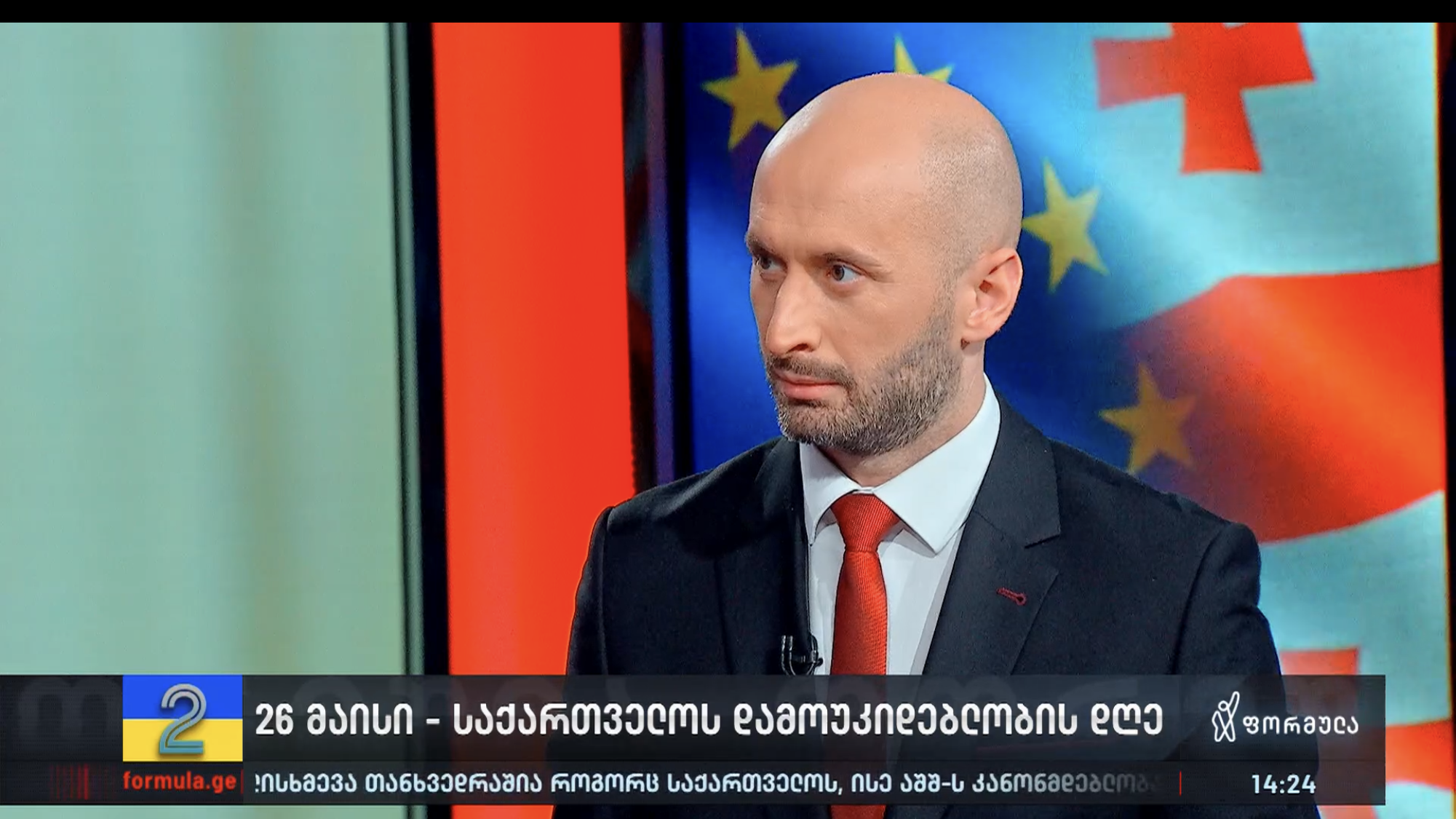
Guram Rogava working as anchor for Formula TV. Credit: Formula TV

Modern Georgia – a hostile environment for journalists

When the attack on him happened in 2024, he was working as a presenter for the Georgian television channel TV Formula. Rogava’s case illustrates very vividly the state of press freedom in the country, which has steadily gotten worse.


In 2025, amendments to Georgia´s defamation legislation were introduced that restricted the protection of freedom of expression. As ARTICLE 19 Europe reported, the amendments included removing safeguards such as the reversal of the burden of proof – thereby shifting responsibilities from the claimant to the defendant.


Then a few months ago, the Georgian parliament adopted a new legislative package criminalising foreign funding and cooperation, which according to the International Press Institute threatens to cut off independent journalism and civil society from important financial support.


The decline in press freedom in Georgia was also reflected in the 2026 World Press Freedom Index, published by Reporters Without Borders. Georgia ranks 135th from 180 countries – dropping 21 places in comparison to 2025.


Following the trails of his own case

“After the attack, I investigated my case because the government didn’t investigate it”, Rogava explains. A source gave him information about the masked attacker, but the person was never willing to talk to the journalist. Rogava handed over the evidence he had gathered to the prosecutor’s office on 4 May 2026. However, neither he nor his lawyer had been able to establish the identity of this public prosecutor over the past year and a half. A day later, the journalist broadcasted a special programme on his case together with a colleague.


Then his sources slipped him a letter addressed from the prosecutor’s office to the Ministry of Internal Affairs. In essence, it stated: “Please identify the person who attacked Guram Rogava.” The reply came already one day later, saying that they had arrested someone. As he was able to check his official file, he saw that, apart from these two letters, the most recent documents had been added to the file two weeks after the attack. “They just worked for two weeks to collect some papers.” Nothing new had been added in the meantime. “Because one and a half year they did nothing.” 


On 7 May, the prosecutor´s office officially announced the arrest of five persons – one of them supposedly Guram Rogava’s attacker. “We thought, okay, we’ve done our job really well. But it appears they arrested a different person, who was already in jail.” He says they are sure the arrested person is not the attacker. The person that is the attacker according to his sources, remains free.

Guram Rogava in the ambulance after the attack. Credit: Formula TV

The future of independent journalism in Georgia

In early August 2026, the journalist had to leave Georgia temporarily. Back home he had been stopped by police officers on several occasions – with no apparent reason. Sometimes when he was in the park with his friends, they started searching their clothes and bags. Or the taxi he was taking was stopped by the police. Rogava feels the authorities are sending a clear message: “We see you, we know you, we know your friends, your family.” He could not bear it if something were to happen to his loved ones, he states.


The journalist emphasises that it is not present enough on an international scale how critical the situation in Georgia is. “Because they still imagine: It’s not Russia. It’s not Belarus. It’s Georgia. Still has some facade of democracy.” But that’s all it is: a facade. “They learned from Russia and Belarus, to do the same things as Putin and Lukashenko do, but with different masks.”


Rogava explains that his colleagues back in Georgia are currently working without pay. He himself is still owed eight months’ salary. As already mentioned, new laws preventing international organisations from helping media in the country financially pose a major problem in this regard. Also more and more companies in Georgia are afraid to book advertisements with critical outlets like TV Formula. “Because if the government sees some company logo on our TV channel, it means this company is bringing money to us. So it automatically means for the government that they are helping us to survive, to continue to ask critical questions.” Sometimes, Rogava adds, they cannot even pay their electricity bills.


To save critical voices in the country, the journalist is sharing his story and raising awareness of the situation in Georgia among international organisations, funders, politicians and the wider public. “It’s really important to have direct communication with people who make decisions. And their one tweet, their one post on social media can be powerful for us because we need to be heard, we need to be seen outside of the country.”

Guram Rogava recovering in hospital after the attack. Credit: Formula TV

Read news by categories: